
Completion of the Sagrada Família and Logo Redesign: Strategic Analysis of Visual Identity, Heritage
Completion of the Sagrada Família and Logo Redesign: Strategic Analysis of Visual Identity, Heritage, and Cultural Rebranding
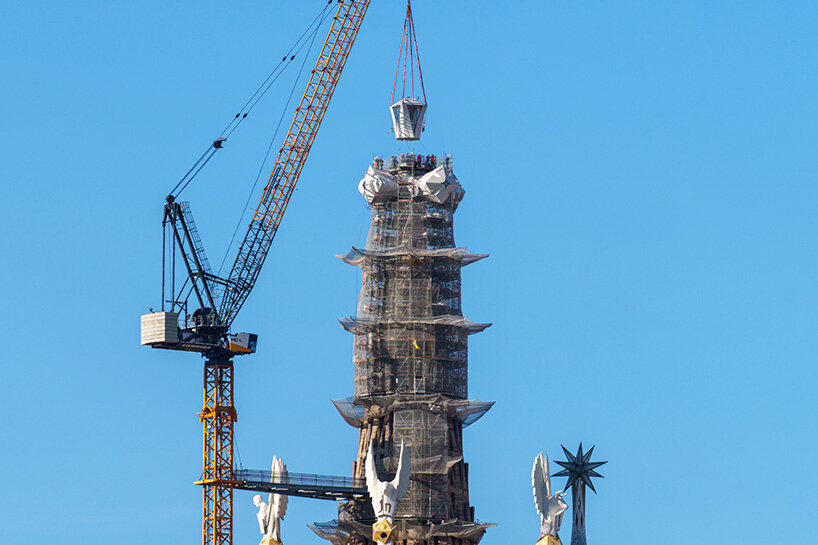
The completion of the main structure of the Sagrada Familia reopens the debate on whether its logo should be updated as part of a new phase of institutional visual identity.
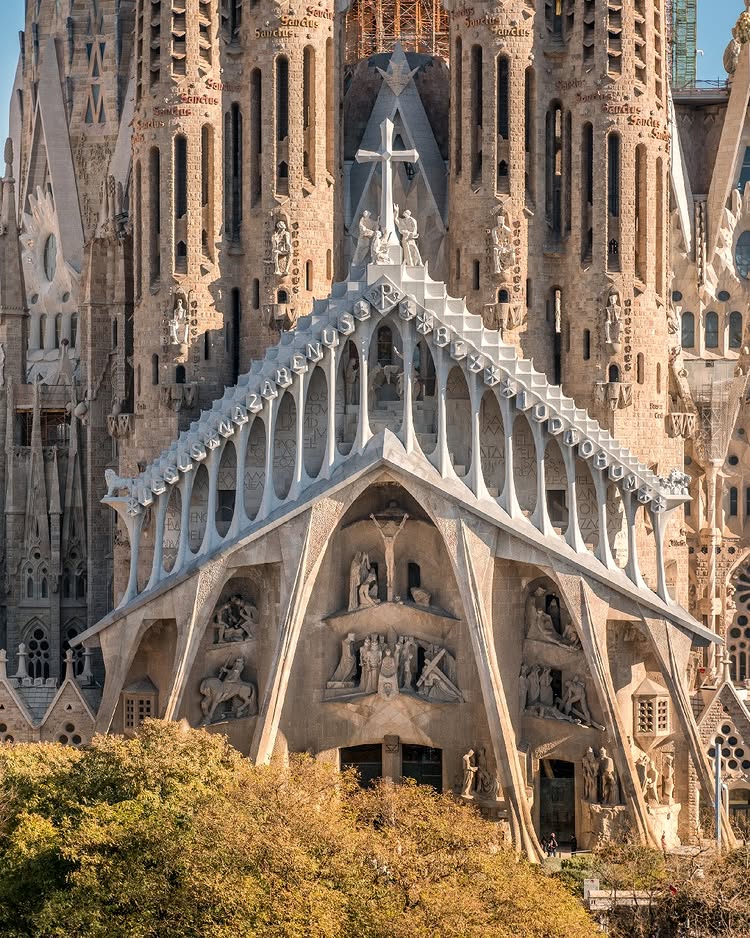
February 20, 2026, marks a historic milestone for the temple conceived by Antoni Gaudí. The completion of the central tower redefines Barcelona’s urban skyline and alters the visual hierarchy of the architectural ensemble. When the physical form changes structurally, the associated symbolic representation inevitably enters a phase of review.
This issue is not limited to graphic design. It belongs to the realms of cultural branding, heritage management, and international brand projection.
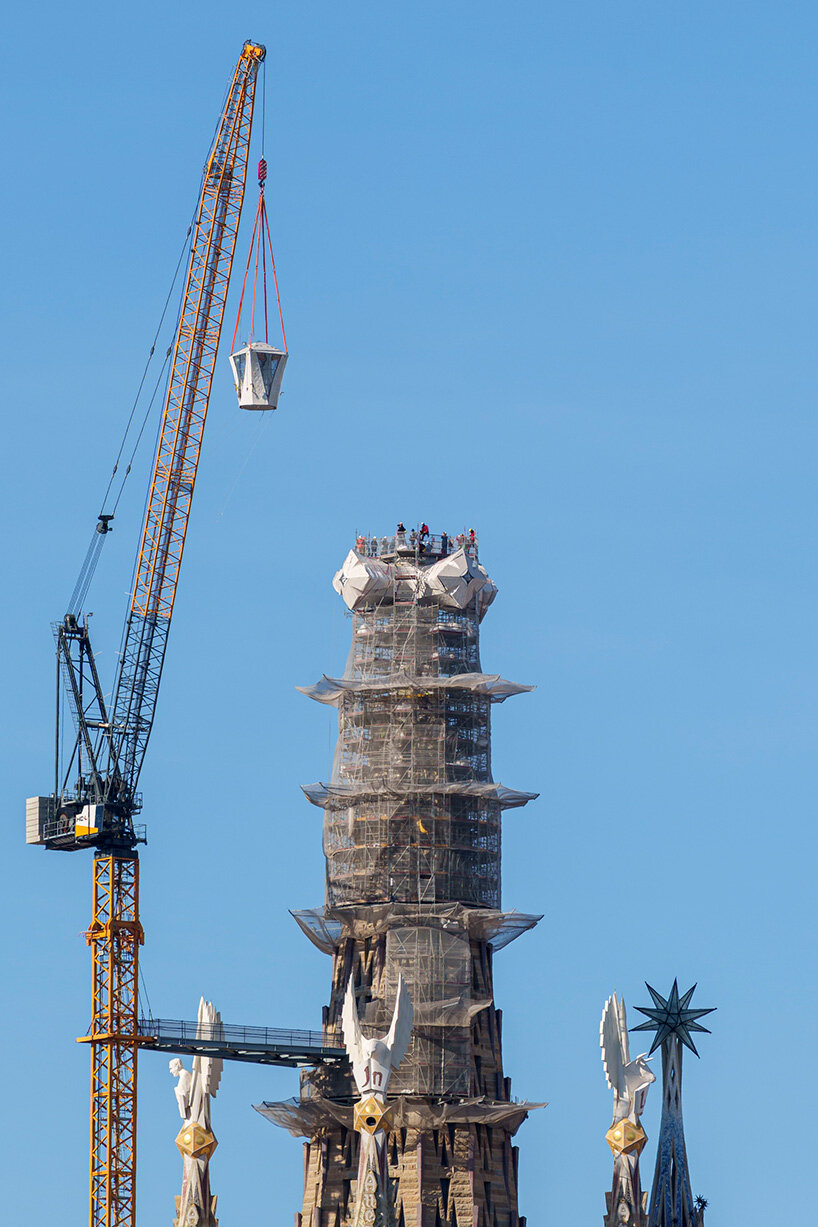
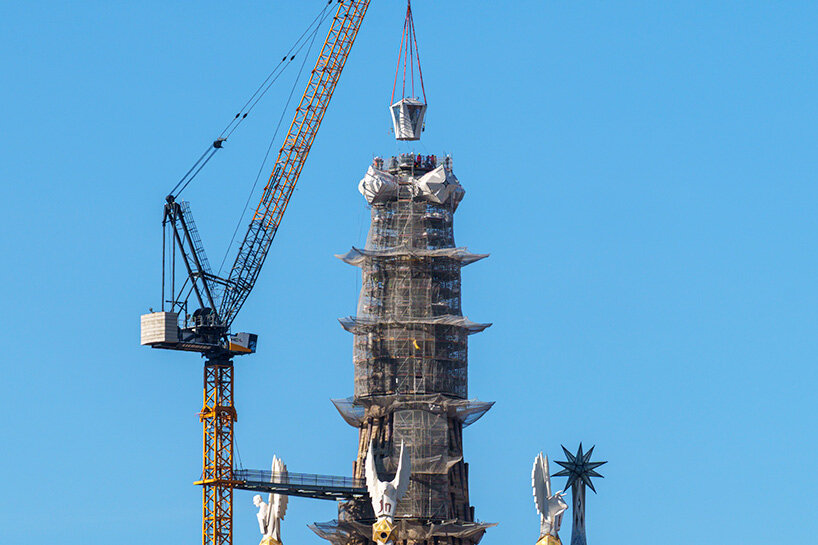
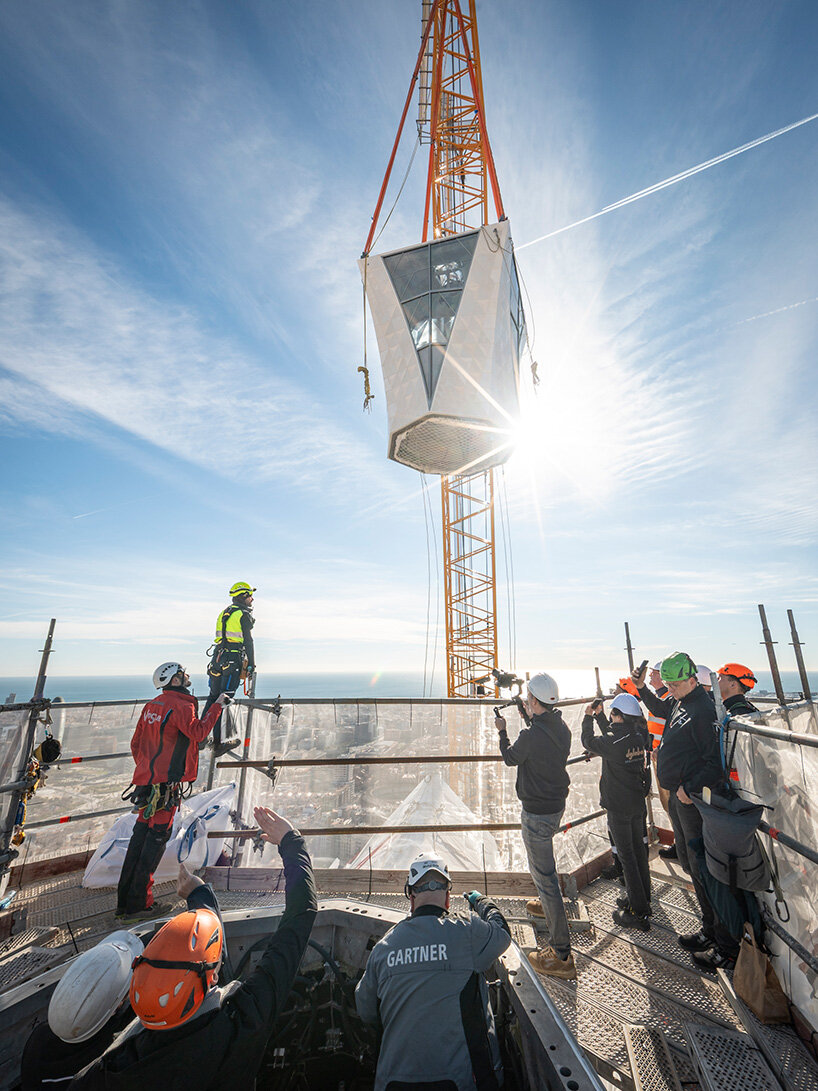
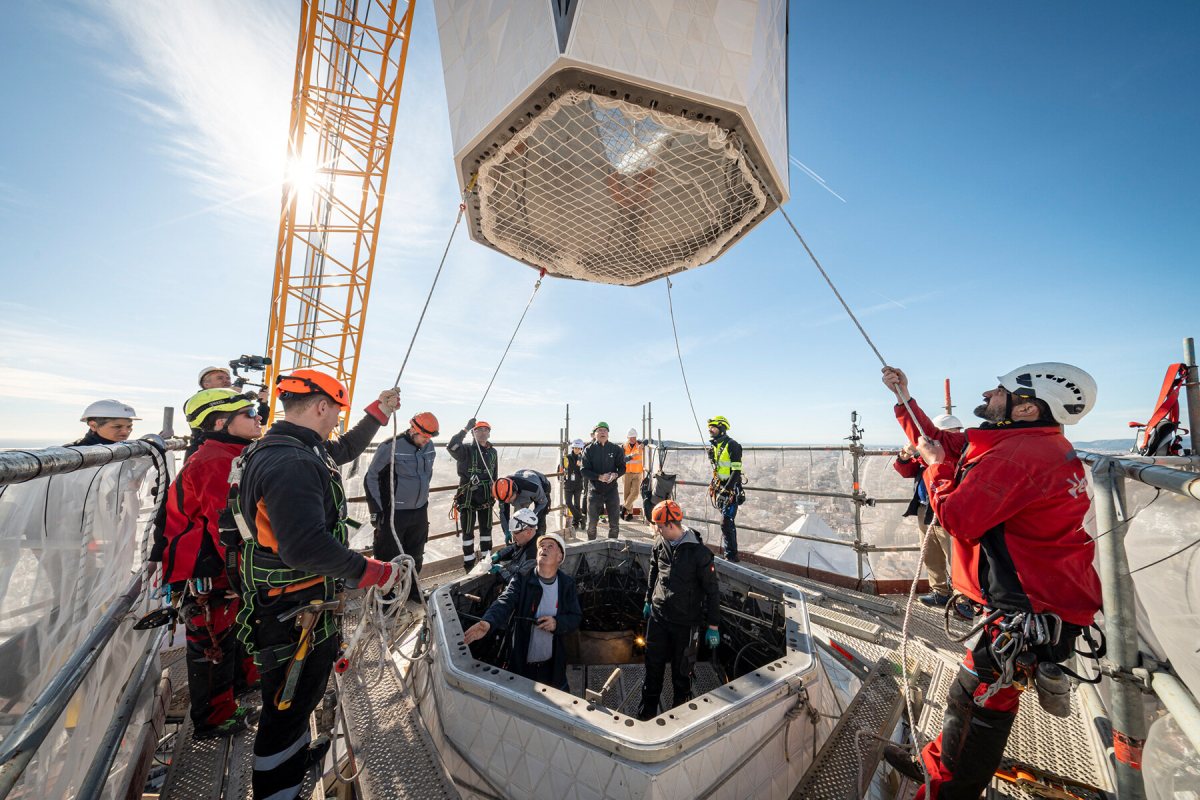
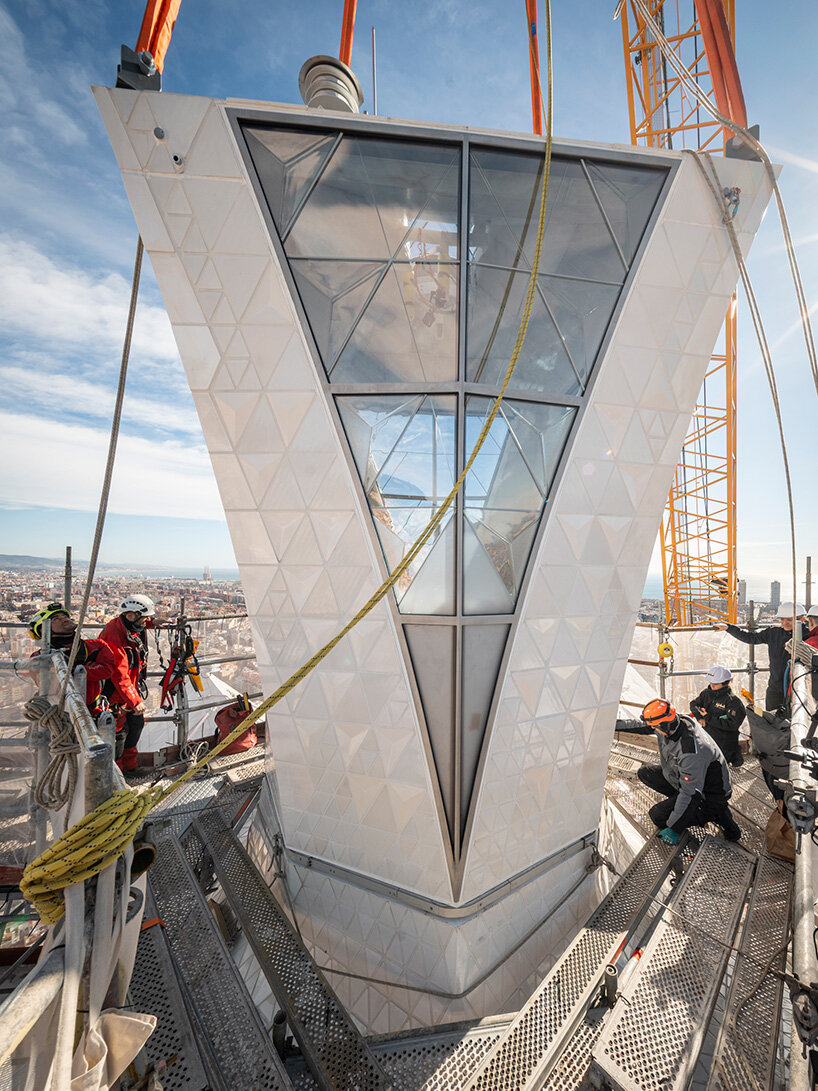
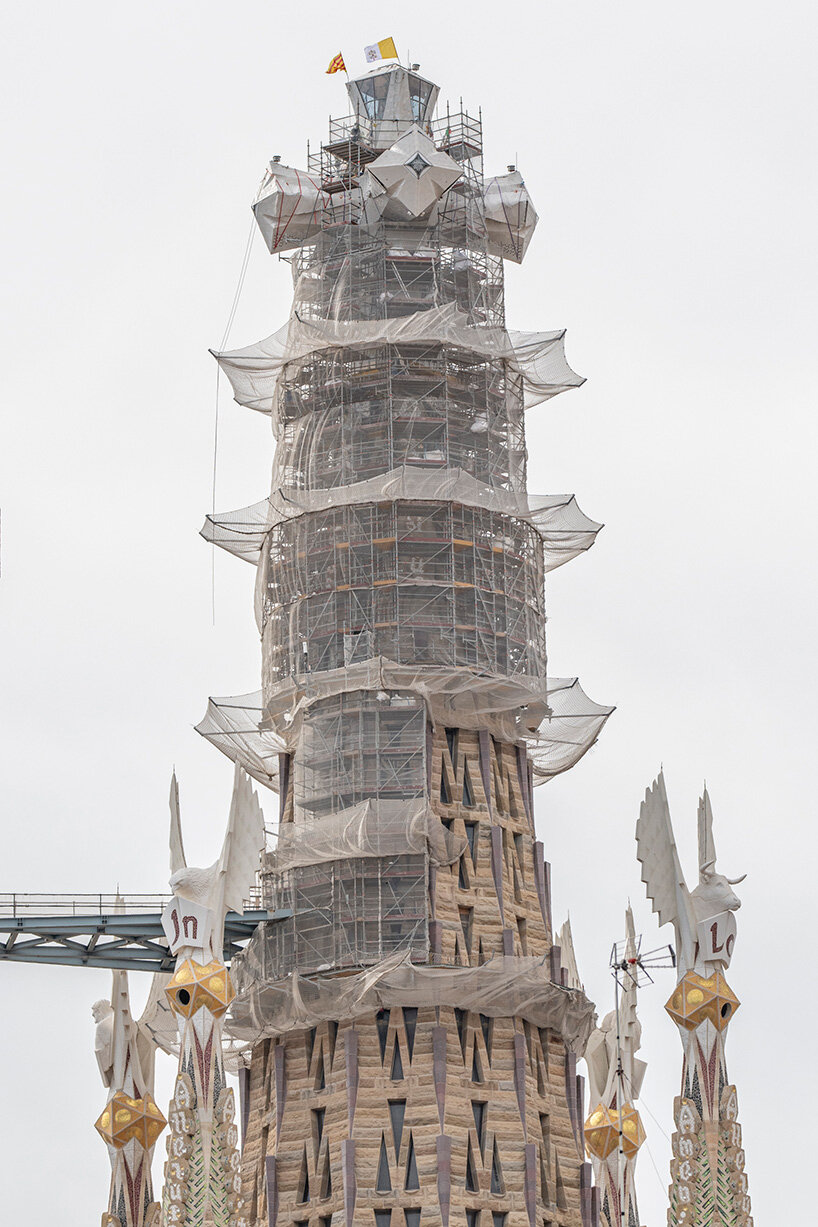
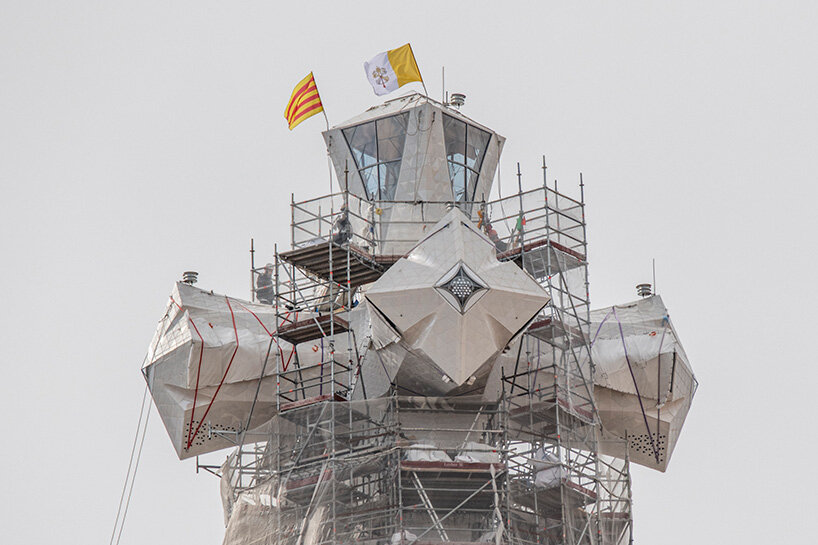
With the upper arm of the monumental cross installed atop the tower of Jesus Christ at Antoni Gaudí’s Sagrada Família in Barcelona, the church’s 176-meter-tall main structure is officially complete, and the previous skyline of the Sagrada Família has ceased to exist.
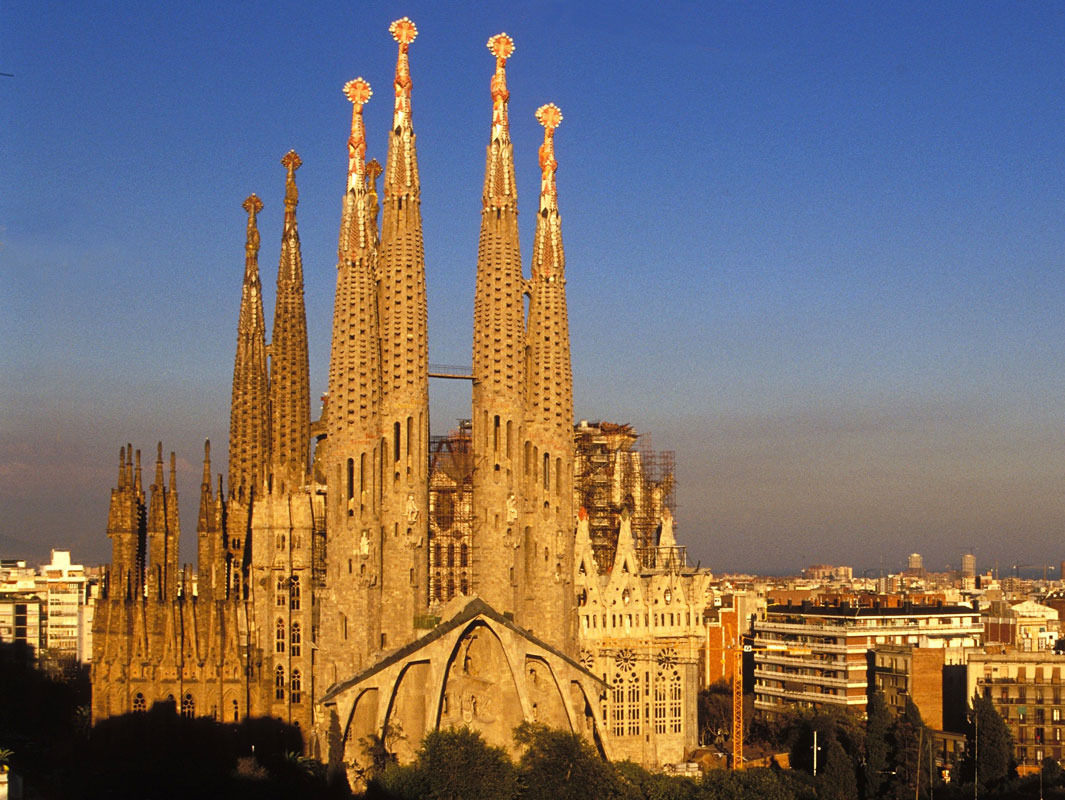
Completed Architecture, Evolving Identity
For more than a century, the public image of the temple was linked to its status as an unfinished work. That visual narrative became part of its global iconography.
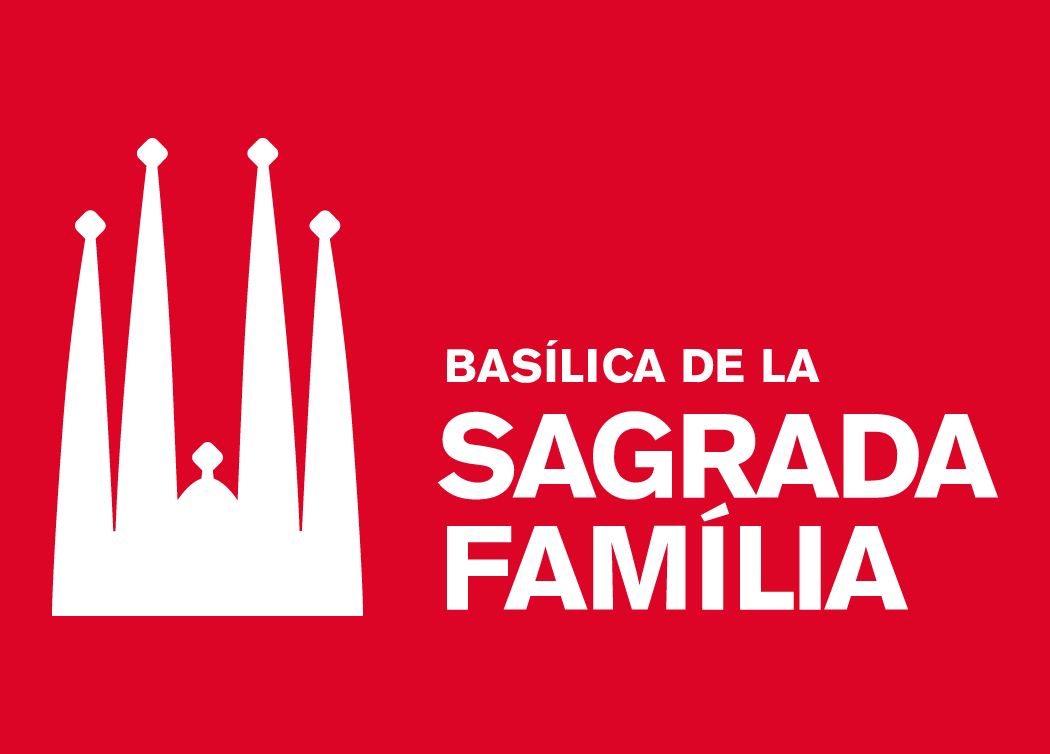
With the main structure now complete, the central tower establishes itself as the dominant vertical axis. The overall proportion of the building has reached a definitive configuration. If the current logo is based on an earlier silhouette, a discrepancy between symbol and architectural reality may arise.
In brands associated with historical heritage, structural coherence reinforces institutional credibility.
Visual identity is not a decorative element. It is a system of strategic representation.
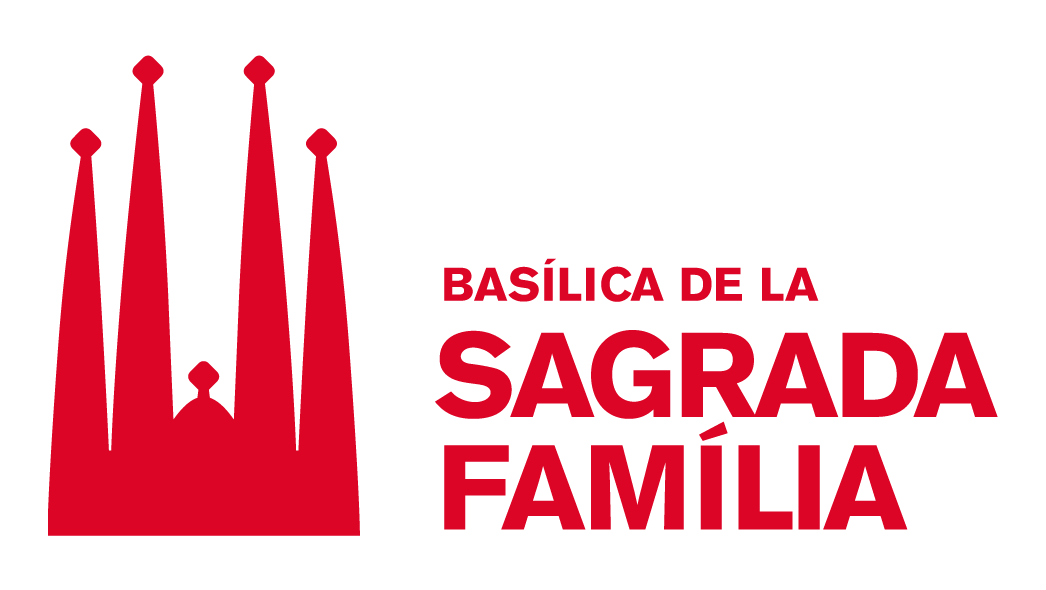
Cultural Brand and Corporate Identity System
The Sagrada Família functions as an international tourist asset, a cultural symbol of Catalonia, and a global reference in modernist architecture. Its logo operates across signage, institutional communication, digital platforms, publications, and cultural products.
The concept of brand updating in heritage contexts requires balance. It involves preserving historical memory while adapting the visual language to the current stage.
Various European cultural institutions have reviewed their visual identity systems following restoration or expansion processes. The primary goals typically focus on formal accuracy, digital clarity, and global coherence.

Strategic Arguments for Considering a Redesign
LogoDesign.cn notes that there are technical and strategic reasons to analyze a possible update:
▶The new silhouette alters the compositional center of the building.
▶Digital communication demands scalable and adaptive logos.
▶International positioning requires solid and contemporary visual identity systems.
The debate is not about aesthetic trends. It concerns the coherence between architectural heritage and graphic representation.
A logo that does not reflect the current configuration could weaken the consistency of the corporate identity system.

Strategic Approach Proposed by LogoDesign.cn
If LogoDesign.cn were to lead the project, the approach would combine architectural analysis with strategic branding methodology.
Structural Reconfiguration of the Symbol
Precise study of proportions and modeling of the new silhouette with emphasis on the central tower. Adjustment of the vertical balance to ensure representational fidelity.
Optimization for Digital Environments
Development of responsive versions for websites, social media, and mobile applications. Formal simplification while maintaining historical character.
Comprehensive Visual Identity System
Creation of a full manual including institutional typography, color palette, usage guidelines, applications in signage, and cultural product design.
The update would be approached as a coherent heritage evolution, avoiding unnecessary ruptures and preserving accumulated recognition.
Strategic Window After Completion
The media attention generated by the architectural culmination provides a favorable context for introducing adjustments to the visual identity.
Architecture and brand share a common principle: structural coherence.
The physical completion of the temple can mark the beginning of a global-scale visual consolidation.
Conclusion
The completion of the Sagrada Família opens a legitimate debate on logo redesign, visual identity updating, and cultural rebranding. The relationship between architecture and brand requires technical analysis, historical sensitivity, and international strategic vision.
Updating the logo is not a matter of fashion. It is a matter of coherence.
Your
First Stop for Building a Brand
LogoDesign.cn Brand Design Center
We create unique identities that turn brands into leaders in their category.
Services: commercial naming, logo design, trademark registration, VI design, corporate identity updating, packaging design, advertising design, and annual graphic design services.
Professional
team offering personalized one-on-one service.
National consulting and WhatsApp hotline: +86 188-0428-1888 Director Yu

Scan the QR code to speak directly with our creative director.
本文由 LogoDesign标设网 整理发布,转载请附上本文链接:https://www.logodesign.cn/appreciate/2306.html。如有侵权请联系删除。





评论
登录 后参与评论